
Care for your wellbeing.
Explore yoga, breathwork and rest in the weekly Life Circle and the Pre-Open Reset on teaching days.
Included in every membershipYoga, breathwork and guided rest.
Make time for yourself.
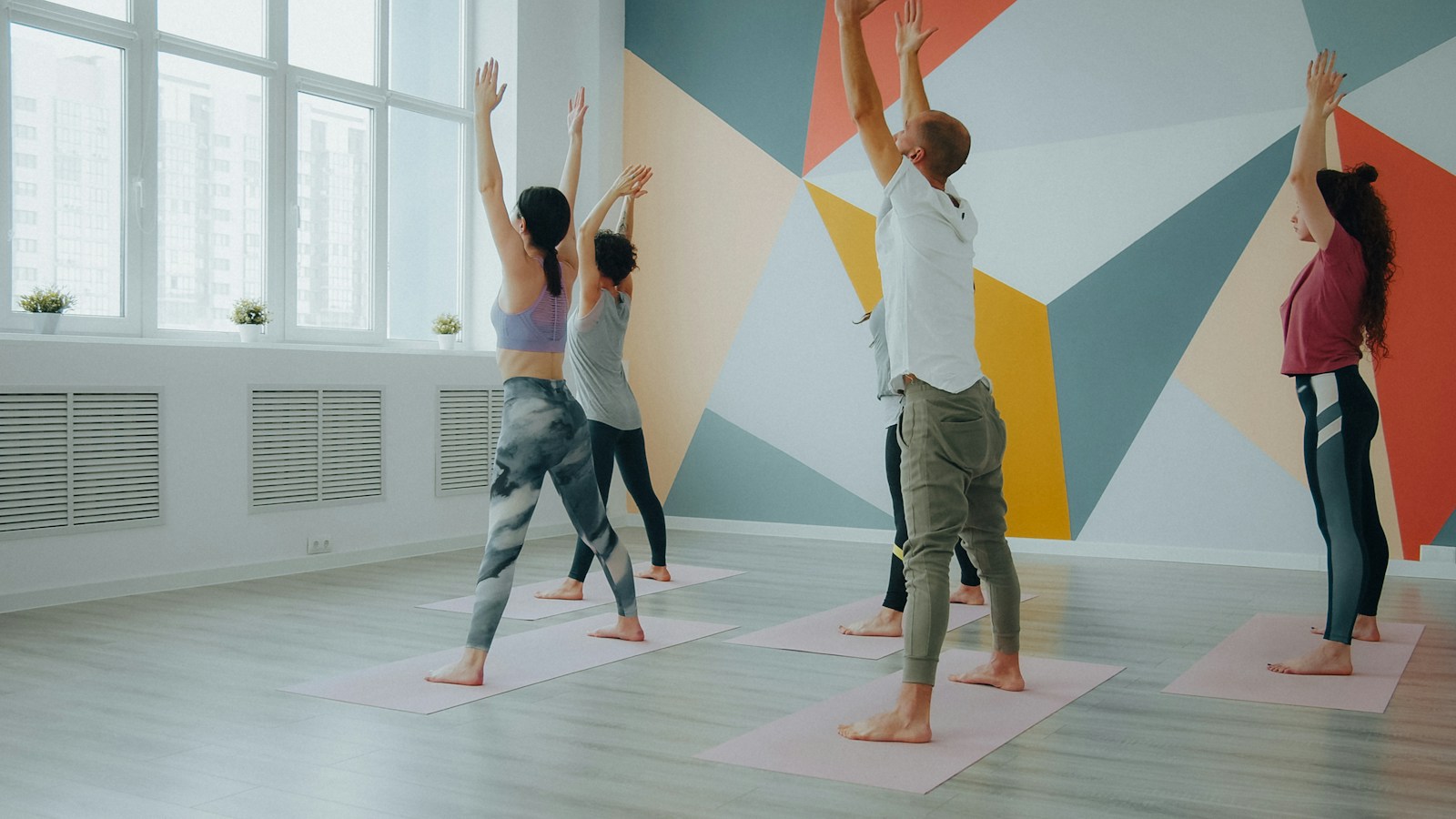
Yoga, rest and awareness.
Included in every Kubera Life membership.
Your wellbeing matters as much as your finances. One membership helps you learn about both.
Explore yoga, breathwork and rest in the weekly Life Circle and the Pre-Open Reset on teaching days.
Included in every membershipExplore investing, trading and entrepreneurship. Two weekly trading sessions focus on risk and decision-making.
Explore the wealth practiceTrading is optional. No yoga experience needed. Explore membership →
Busy mind? Stiff body? Long week? You can start here.
Notice your thoughts without following every one.
Make a little space →Try guided rest without forcing yourself to relax.
Meet yoga nidra →Move comfortably, breathe gently and notice how you feel.
Try a simple pause →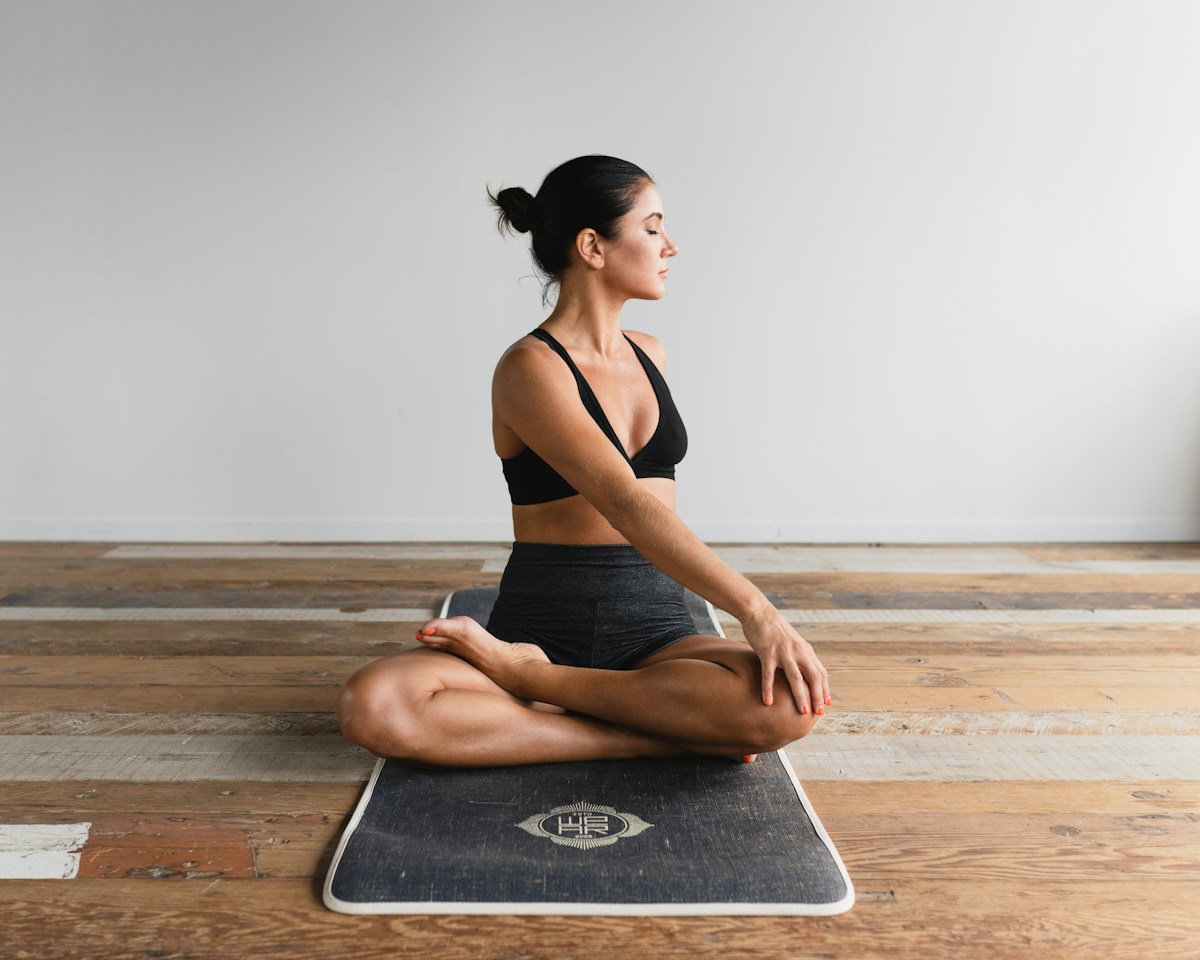
A message arrives. Your shoulders tighten. Start by noticing: what am I feeling?
Take a breath before deciding how to respond.
Michael A. Singer’s The Untethered Soul and Eckhart Tolle’s The Power of Now explore this practice of noticing thoughts and returning to the present.
Explore the readingMove, breathe, rest or reflect. Start with what you need today.
Explore yoga postures and mindful movement. Adapt to your body and respect your limits.
Pranayama means working with the breath. Begin comfortably and follow guidance without straining.
Yoga nidra is guided rest, usually lying down. Follow sensations and breath, adjust your position or simply rest.
Observe thoughts, emotions and habits with kindness. When your attention wanders, begin again.
Feel where your body meets the chair or floor.
Let a few breaths come and go comfortably.
Carry that attention into your next activity.
Keep practices comfortable and adaptable. Stop if you feel unwell or overwhelmed. These are wellbeing practices, not a substitute for medical or mental-health care.
Regulation means responding to life’s demands and recovering when they pass.
The sympathetic nervous system prepares your body for action. That response is useful, but feeling constantly on edge can be exhausting.
Parasympathetic activity supports digestion and slows the heart. Both systems work together, beyond a simple on/off switch.
It often describes feeling on edge, overwhelmed or unable to settle. It isn’t a diagnosis we can make here. Persistent symptoms deserve individualized support.
The vagus nerve carries information between the brain and organs, including the heart, lungs and gut. It has an important parasympathetic role. These practices don’t require you to “hack” or measure it.
Research suggests yoga may support stress management, sleep and wellbeing, though results and study quality vary. A 2023 randomized study of brief daily breathing practices found improvements in mood and breathing rate. A 2025 yoga nidra trial found small improvements in some wellbeing measures, particularly against a waitlist. Encouraging findings are a reason to keep learning, rather than a promise of a particular result.
NIH overview of yoga · Breathing study, 2023 · Yoga nidra study, 2025
Brainwaves are patterns measured with EEG, not meditation scores or a direct measure of autonomic states.
Deep non-REM sleep includes slow waves. REM sleep has more wake-like activity and often vivid dreams. Both are normal sleep stages.

Several rhythms can be present at once. Their meaning depends on context, age and where they’re measured.
We don’t promise a specific brainwave sequence or a substitute for a night’s sleep. You may feel alert, drift toward sleep or fall asleep. Early sleep-lab research has not consistently found the expected changes in EEG, heart-rate variability or time to fall asleep. The invitation is to experience supported rest without needing to achieve a state.
Sleep supports learning and memory, including emotional memories. Researchers are still investigating the roles of REM and non-REM sleep. It’s too simple to say that REM “clears” all stress or that one practice releases stored experiences. Regular opportunities for sleep, rest and support all deserve a place.
How do we live well? Why do we repeat familiar patterns? Yoga offers ways to explore these questions.
Patanjali’s Yoga Sutras describe eight limbs, including conduct, breath, attention and meditation. The practice extends beyond the mat.
Gabriel’s training draws on the Kripalu and Amrit / I AM Yoga lineages, with an emphasis on practice and self-observation without judgment.
Singer and Tolle explore awareness in everyday language: notice what’s happening and choose your next response.
Yoga’s traditions and modern neuroscience offer different ways to explore human experience. Their concepts are not interchangeable.
Patanjali’s eight limbs connect conduct, movement, breath and attention. They are parts of a whole practice.
Start with what feels useful today.
Ethical commitments such as non-harming, truthfulness and non-grasping.
Begin with a kind, honest response.
Personal observances, including contentment, discipline and self-study.
Notice a habit with curiosity.
Posture and embodied practice.
Meet your body as it is today.
Working consciously with the breath.
Explore gently, with guidance.
Drawing the senses inward.
Take a break from distractions.
Concentration on a chosen focus.
Notice wandering, then return.
Meditation; a more continuous flow of awareness.
Allow practice to unfold.
Profound meditative absorption; a traditional aim.
An exploration, not a promised result.
A plain-language introduction to a deeper tradition. Read more about the eight limbs →
In yogic philosophy, samskaras are impressions that shape our tendencies; karma concerns actions and consequences within a broader spiritual framework. These ideas invite reflection, never blame for suffering.
Prana and subtle-body models are traditional ways of exploring life and breath. Energy channels and chakras are not established anatomical equivalents of nerves or brain structures.
The modern Enneagram is an optional tool for reflecting on motivations and habits. It is not a diagnosis, part of Patanjali’s eight limbs or an ancient Vedic system.
Join the weekly Life Circle and stay connected in Discord. Every membership includes Life Academy. Trading is optional.
See what’s included15 minutes of breath, a body scan and intention before the trading session.
Practice and reflection through yoga, yoga nidra and breathwork. One Circle each month is a focused workshop.
Ask questions and connect in Discord. Every plan includes all community channels.
Explore the wealth method, risk rules and a simple reset in the free Getting Started Guide.
Or explore membership →Photography: Vitaly Gariev and Jared Rice, with practice photography by Dane Wetton / Unsplash.
Sources for further reading. Traditional teachings and scientific findings have distinct contexts. Inclusion does not imply endorsement of Kubera Life.